A freshly repaired tooth can feel like a new beginning. There’s something rejuvenating when you can finally share your biggest, most confident smile. Whether you just got a dental filling, bonding, veneer, or crown, you’ve taken an important step. But the truth is, what you do next determines how long your tooth repair lasts.
Here in South Florida, with our mix of beach lifestyles, sunshine, and café con leche, maintaining tooth repairs takes some extra know-how. The good news? A few consistent habits and knowing what to avoid can protect your investment (and your brilliant smile) for years to come.

Before we get into care tips, it helps to know what you’re working with. Each type of tooth repair has its own strengths and limits.
After your tooth repair, brushing and flossing should feel normal again, but gentle technique matters.
If your tooth feels tender for the first few days, that’s completely normal. Try brushing a bit lighter and use toothpaste for sensitive teeth until it calms down.
South Florida living comes with good food, like stone crabs, Cuban sandwiches, and tropical fruits. But some favorites can be tough on dental work.
Avoid:
Try instead:

Between sun, salt air, and afternoon heat, dehydration hits fast in South Florida. When your mouth dries out, bacteria grow faster, and that bacteria can attack repaired surfaces.
Drink water throughout the day, especially if you spend time outdoors or enjoy coffee or wine. Try keeping a refillable bottle nearby and sip often.
Even if your repaired tooth feels perfect, it’s smart to keep your six-month cleanings and exams. These visits help catch early issues you might not notice, like tiny cracks or changes in bite pressure.
Your dentist will:
Clenching and grinding (bruxism) are common, especially during sleep. Over time, this constant pressure can wear down or even fracture a repair.
If you wake up with sudden jaw tension or headaches, or your partner hears grinding at night, ask about a custom nightguard. It cushions the pressure and keeps your dental work safe.

Repairs like bonding and veneers are more resistant to stains than natural teeth, but not stain-proof. Limit coffee, tea, red wine, and tobacco, or rinse with water after enjoying them.
If you notice discoloration over time, professional cleanings or gentle whitening treatments can help. Always ask your dentist before whitening, since over-the-counter kits can damage the material on certain repairs.
If you feel something unusual, like a rough edge, a tiny chip, or a bit of looseness, don’t wait for your next visit. Even minor changes can let bacteria in or cause cracking and root damage.
Call your dental office and describe what you’re feeling. Most small issues can be fixed quickly, often without replacing the whole repair.
Beyond brushing and flossing, a few small daily choices make a big difference:
Here are just a few of our most frequently asked questions when dealing with a tooth repair.
Stop chewing on that side right away. A sudden sharp pain could mean a crack or a loosened repair. Rinse with warm water and call your dentist as soon as possible. The faster we see you, the more likely we can save the existing repair.
Sometimes a repaired tooth needs a slight adjustment after the numbness wears off. If it feels high or awkward, don’t “get used to it.” It can cause long-term pressure on your jaw or crack the material. Schedule a quick bite adjustment. Most fixes take just minutes.
That can happen if flossing habits slip or if the shape of a filling changes slightly over time. Let your dentist know. We can smooth the surface or reshape the edge to stop food traps and protect against decay.
Small chips can be relatively easy to fix if you act quickly. Save the piece if you can, and bring it with you to your appointment. Avoid chewing on that side until it’s repaired again.
That could mean your bite is off or bacteria are seeping beneath the crown margin. Early checkups prevent infection or more serious treatment. Don’t wait it out. Call your dental office.
Dental work isn’t something you get once and forget. It’s part of a bigger picture that includes your habits, diet, and how you care for your smile day to day. With a little awareness and the right follow-up care, your tooth repair can last for many years and look just as good as the day you got it.
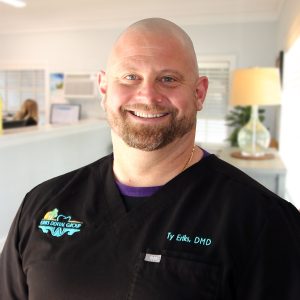
At Eriks Dental Group, we’ve been helping Fort Lauderdale patients protect their smiles through every stage, including repair, recovery, and long-term maintenance. Give us a call at 954-463-5051 with your tooth repair questions. And request an appointment to let us help you restore your best smile.
© 2026 Eriks Dental Group - Fort Lauderdale - All Rights Reserved. Dental Website Design by Connectica