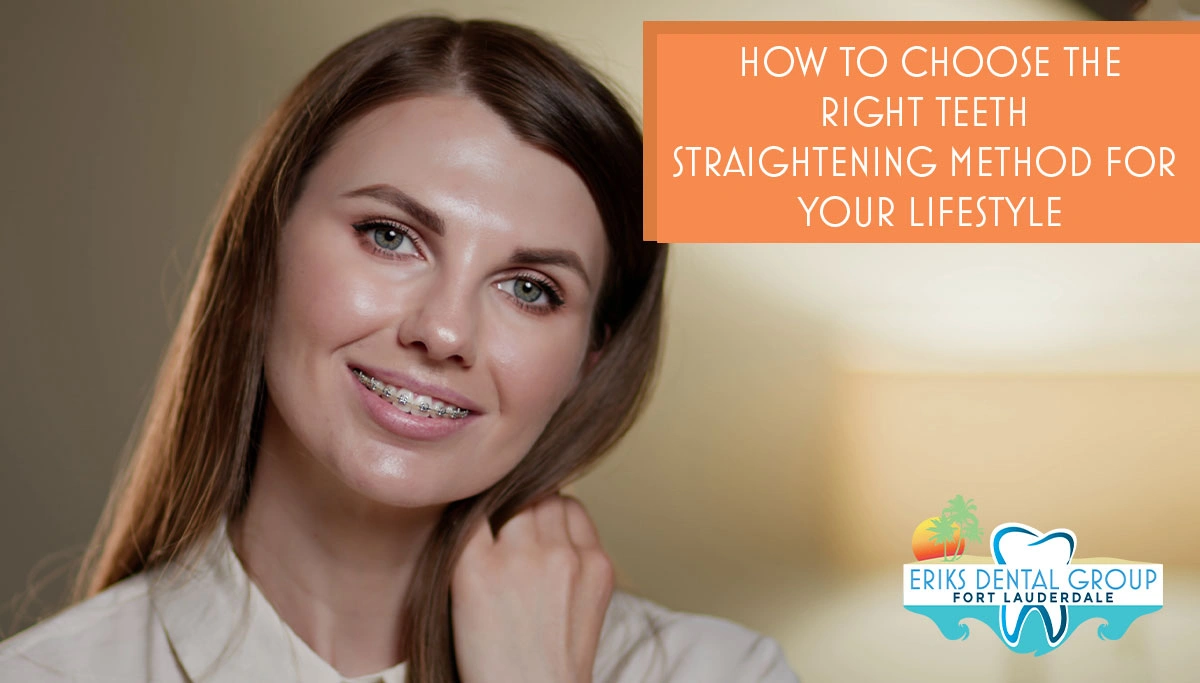
Our confidence is in our smile. And there are many ways to get a smile that helps you find this confidence. Your lifestyle plays a large role in choosing a teeth straightening method– as do your teeth. There’s no one-size-fits-all when it comes to teeth straightening, so a dental professional will help you choose the right option for your goals and lifestyle.
There are many different kinds of braces and clear aligners that can help with straightening your smile, and we’re here to introduce the most common teeth straightening methods and their lifestyle considerations.
Our teeth are functional parts of our body– we eat with them, smile with them, and (should) clean them every single day. It’s easy to only think of traditional braces when thinking about teeth straightening options, but there are many more treatments available now for a wide range of goals. A dental professional can help you narrow down what works for your lifestyle and your teeth. Each method has its own pros and cons, and choosing the right method for you is a highly personal decision. Factors like cost, comfort, and confidence play a large role in how we choose to straighten our teeth.
Teens and adults have different needs when it comes to teeth straightening– but the same goal.
You may find that traditional braces are far more accepted nowadays in teens. In fact, your teen could be in the majority with braces in school! This is the first chance a person gets to straighten their smile, as they have to wait for all baby teeth to fall out and for their adult teeth to come through comfortably. As such, there is a large wave of students who get visible braces in their teen years.
However, fewer people get visible braces as adults. Many adults want to retain a professional appearance at work or while public speaking, and in some lines of work, visible braces may be distracting. In these cases, a solution like clear aligners could be more beneficial.

Food is a central part of our daily lives, and any method of teeth straightening will impact our meal times. Whether you need to choose the food you eat more wisely, brush more carefully, or even remove certain foods from your diet depends on the braces or aligners you choose.
For example, if you have traditional braces, you need to be more careful when consuming chewy or sticky food, or anything more likely to stick in your braces and teeth (like popcorn!). While traditional braces can be relatively unobtrusive in your daily routine, clear aligners, for example, need to be removed for meal times and cleaned before being replaced. Consider the adjustments that you’d need to make to your daily routine when choosing a teeth straightening method.
The cost of teeth straightening treatments can vary widely. Braces are considered a cosmetic dentistry procedure, but the effects they can have on our confidence and our smile are unmatched. While traditional braces can be more expensive and may require more frequent dental appointments for tightening, they can produce results much faster than some other options, like clear aligners. Likewise, clear aligners are aesthetically unobtrusive, but you may be waiting longer for your desired results. How long you need to have braces or aligners depends on the starting position of your teeth and your end goals.
The comfort and convenience of your chosen method are also important. While all types of braces will feel uncomfortable at first, some types are more uncomfortable than others. Some may change how we speak or where our tongue rests, and most will affect the way we eat, the foods we eat, or our mealtime routines. Frequent follow-up appointments can also be inconvenient if you have a busy schedule, but fewer follow-up appointments may mean you’re wearing braces for longer. Furthermore, you will need to be prepared for post-treatment maintenance and follow-ups, like getting a retainer fitted and wearing it overnight.
Make sure to consult thoroughly with your orthodontist about how long you can expect to be wearing each option and the number of appointments you need during the treatment course. Your insurance might only cover certain types of braces or a specific number of appointments, so this is a major consideration in the teeth straightening process.
Every method has its pros and cons. It’s important to look at the whole picture and assess your specific requirements, the current position of your teeth, and your end goals. Your lifestyle can make or break the comfort and convenience of these methods, so be sure to consider your habits, hobbies, and how prepared you are to make lifestyle changes for your smile.

Traditional braces have been around for a while– for good reason. They’re fast, effective, and can handle some complex cases and more movement. They’re sturdy and can’t go missing like clear aligners, so for younger teens, this can be a cheaper option compared with replacing lost aligners. However, you need to stay on top of cleaning and flossing to ensure that difficult foods don’t cause issues. Traditional braces are made with metal for durability, but for a more natural look, there are options with ceramic that are less noticeable but more fragile.
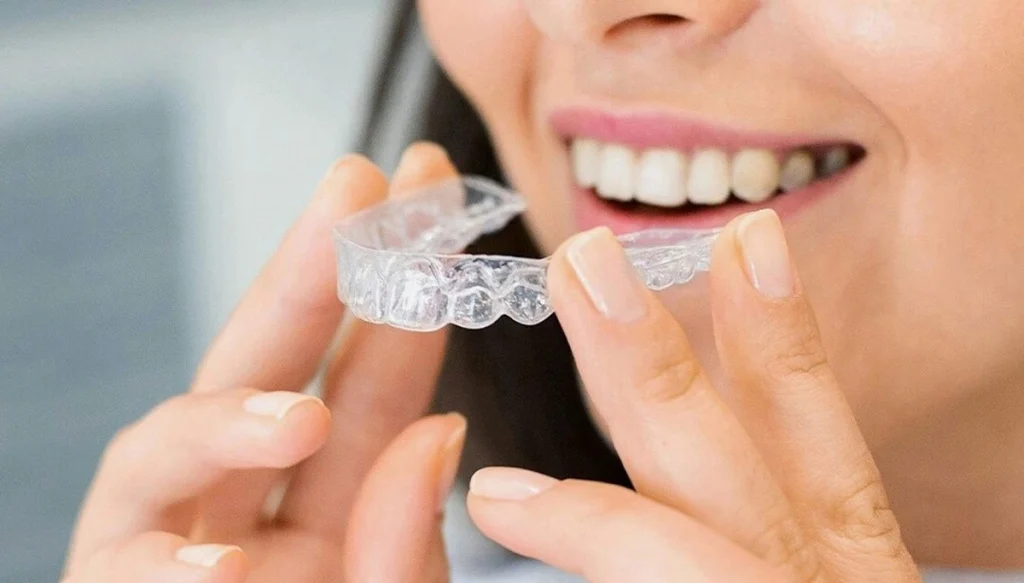
Clear aligners, like Invisalign, are made to be discreet. They’re nearly impossible to see, making them perfect for teens who don’t want the appearance of braces or adults who want to maintain a professional appearance at work. However, their ability to deal with moderate to severe cases can greatly impact their usefulness. Clear aligners work best with only mild alignment concerns. You’ll likely have fewer follow-up appointments, but the entire aligner needs to be replaced each time. They can be removed for meal times and dental care, which lets you keep the same dental hygiene routine you already have, but you need to wear them for 20-22 hours per day to see results.
Lingual braces sit behind the teeth, making them invisible from the front. Like traditional braces, they are fixed to the teeth, so they are more equipped to deal with complex cases than clear aligners. However, lingual braces may cause more discomfort than others on this list. Our tongue can naturally rest towards the back of our teeth, and our tongue taps the back of our teeth during speech. This means that you may experience more tongue or speech discomfort until you’ve gotten used to them. However, the combination of their alignment capabilities and their invisible look may make this appealing for both teens and adults.
It’s clear that there’s no one-size-fits-all when it comes to teeth straightening. We here at Eriks Dental Group have helped a wide range of patients find confidence in their smile again, in a way that’s the most comfortable and convenient for them. We’re here to help you balance comfort, the treatment schedule, and cost to find the method that suits you.
Contact us today at 954-463-5051 for a personal consultation to help you find your smile.

© 2026 Eriks Dental Group - Fort Lauderdale - All Rights Reserved. Dental Website Design by Connectica