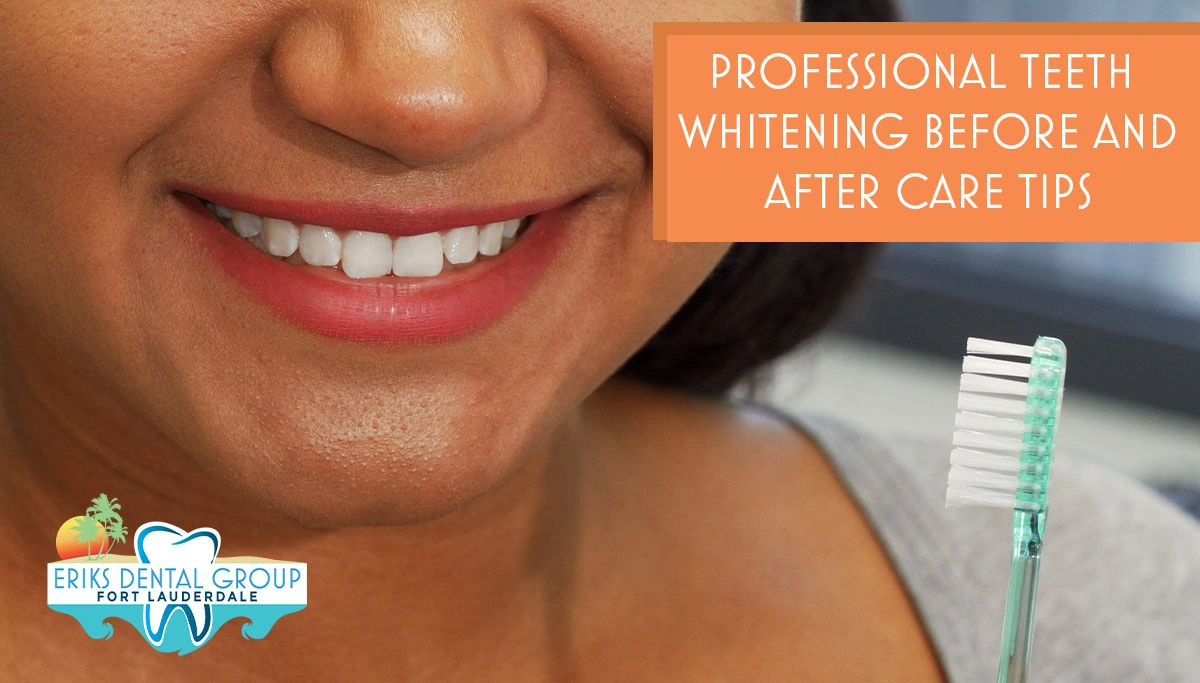
Professional teeth whitening is a service that is provided in dental offices to individualswho have discoloration on their teeth, often from certain foods, beverages, and smoking. Discoloration can look like yellow staining or dark speckles on the teeth. When considering professional teeth whitening, it is important to remember that it’s not a permanent solution, but a temporary treatment to help you feel more confident in your smile. That being said, with proper care and maintenance, you can extend the life of a whiter smile. But in reality, lasting results following a teeth whitening treatment are only going to be sustainable for long periods of time if daily habits also change.
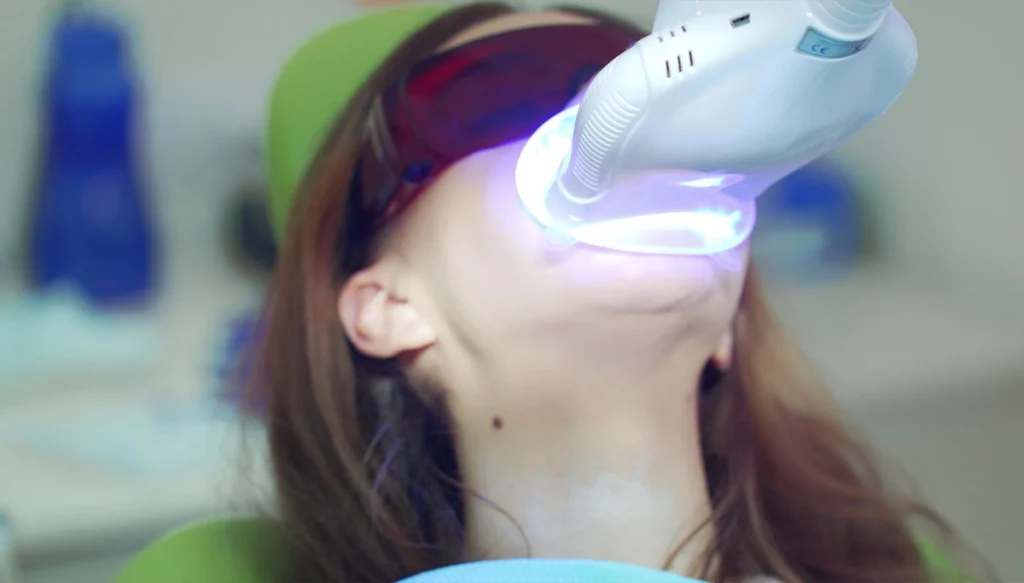
There are some significant differences between having your teeth professionally whitened at a dentist’s office and opting to do it yourself at home.
If you decide to undergo professional teeth whitening, you can expect the appointment to go something like the following:
Remember, professional teeth whitening is not a permanent solution to discolored teeth, meaning you may have to go in a few times to get your desired result, depending on the level of staining on your teeth.
There are several ways you can whiten your teeth at home, all of which can be effective ways to achieve a whiter smile. Some work better and faster than others, and can also be used to maintain your smile following a professional teeth whitening treatment.
Whitening strips are one of the most common methods of whitening your teeth that you can do from the comfort of your own home. However, there are a couple of drawbacks that come with this method of teeth bleaching.
The first issue one may run into when attempting this treatment at home is the fact that the strips are not specifically meant to fit the shape of your teeth. This can cause an uneven whitening across teeth, which may be more noticeable than just leaving the staining.
The second downside to whitening strips is that they are not as strong as professional treatments, causing you to go back to the store more often to achieve the results you desire.
Pros and cons include:
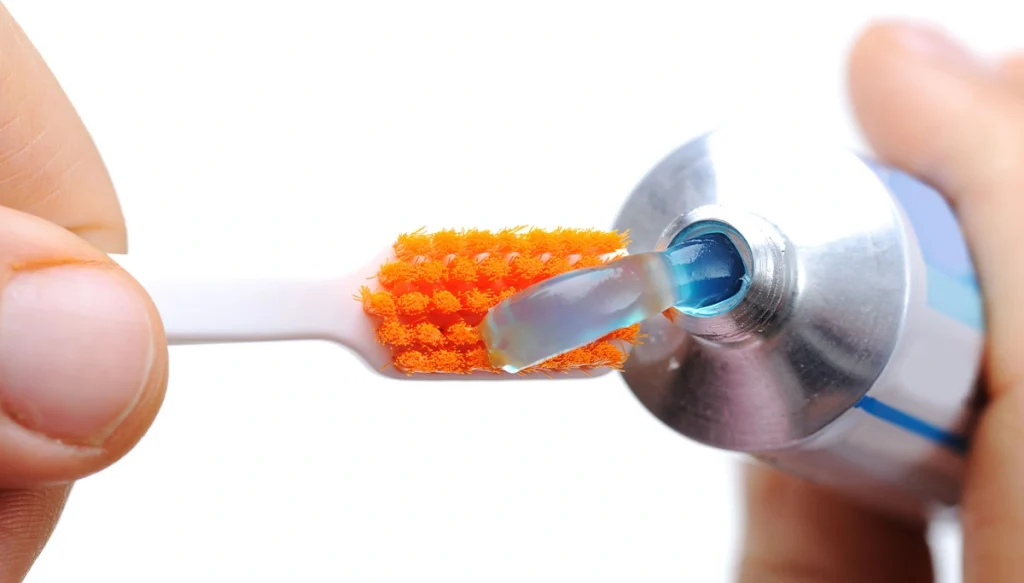
Whitening toothpaste is another option one can take into consideration when wanting to remove surface stains from their teeth. An issue one may encounter when considering this option of whitening is that it relies on mild abrasion to polish surface stains away. When using it aggressively or often, it may wear the enamel of the teeth down.
Pros and cons include:
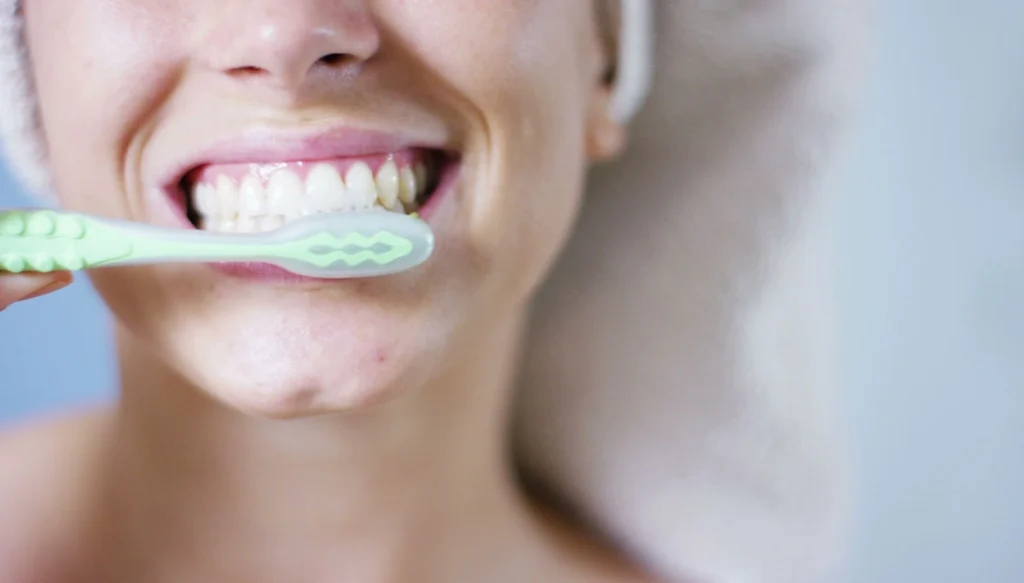
Once you have had professional teeth whitening treatment, some habits at home may have to change in order to keep and maintain those results. Taking proper care of your teeth with regular dental cleanings and focusing on your oral hygiene is essential, not only for maintaining a brighter smile, but also for your overall oral health.
A consistent routine and mindful habits can help extend your results and protect your overall oral health.
Good oral hygiene helps to remove surface stains, prevent plaque buildup, and reduce the risk of cavities and gum disease.

Some foods and beverages can be the biggest hindrance when it comes to a brighter smile. Consider limiting some of the following foods and drinks in order to keep the results from your professional teeth whitening.
Common staining culprits include:
If you do consume staining beverages, drinking through a straw and rinsing with water afterward is said to reduce the appearance of discoloration.
Routine dental visits are essential for long-term oral health. Making sure to follow up on the following will help to protect your newly brightened smile, as well as keep your teeth and gums strong and healthy:
Professional dental cleanings remove tartar and surface stains that brushing alone cannot eliminate, helping you maintain both a healthy and radiant smile.

There are two main categories that discoloration falls under: extrinsic and intrinsic. Learning and understanding the different types of staining can help you decide the most effective treatment plan when it comes to whitening your teeth.
Extrinsic staining occurs on the surface of the enamel of teeth. These stains are caused by food or drink consumption and can be removed by professional teeth whitening, as well as some at-home methods, such as whitening strips and whitening toothpaste.
Common culprits of extrinsic staining include:
Intrinsic staining occurs at a deeper level than extrinsic, occurring within the inner structure of your teeth, known as the dentin. This type of staining is much more difficult and stubborn to remove; at-home treatments will not work in removing this discoloration.
Common culprits of intrinsic staining include:
A brighter smile can boost your confidence and help you feel your best in personal and professional settings.
Consulting with a local dental professional can help you determine the best treatment, and with proper care, routine dental visits, and consistent healthy habits, you can enjoy a brighter and more radiant smile for years to come.
If you are looking for teeth whitening in Fort Lauderdale, don’t wait! Schedule a consultation with Eriks Dental Group at 954-463-5051 today to help determine the best treatment for your specific needs.

© 2026 Eriks Dental Group - Fort Lauderdale - All Rights Reserved. Dental Website Design by Connectica