Getting a dental crown to help correct your smile is an investment in oral health and your confidence. Crowns are designed to restore teeth and can last for many years, but they’re not maintenance-free. One of the most common misconceptions we hear is that a crowned tooth can’t get cavities. In reality, while the crown itself can’t decay, the natural tooth underneath it still can.
The good news is that protecting your dental crown doesn’t require complicated routines or expensive products. A few consistent daily habits can go a long way toward keeping the tooth underneath your crown healthy for years to come. Here’s what we recommend to our patients at Eriks Dental Group South.

Yes, you can. A dental crown will completely cover the visible portion of your tooth, but the natural tooth structure remains underneath. The area where the crown aligns with your natural tooth, called the margin, is especially important to keep clean.
If plaque and bacteria collect around this edge, they can gradually work their way beneath the crown. Over time, this may lead to decay that’s hidden from view until it becomes painful or affects the fit of the crown. That’s why daily oral hygiene is just as important after getting a crown as it was before.
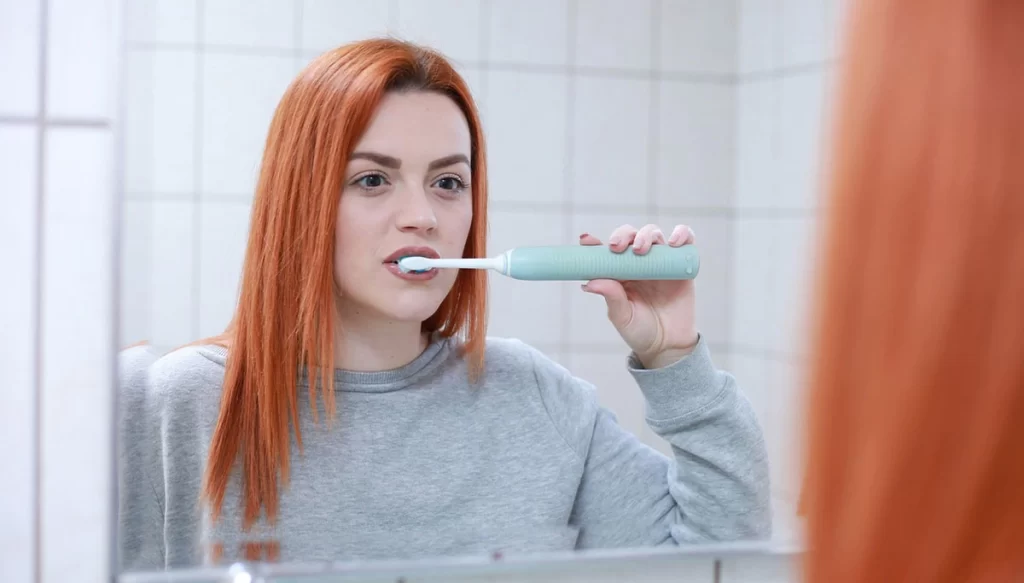
Brushing remains your first line of defense against cavities and gum disease. We recommend brushing at least twice each day with a soft-bristled toothbrush and fluoride toothpaste. Pay special attention to your gumline where the crown meets your natural tooth. This is where plaque tends to accumulate, especially if brushing is rushed.
There’s no need to scrub aggressively here. Gentle, circular motions are far more effective than pressing hard against your teeth. Brushing too aggressively can actually irritate your gums and contribute to gum recession, which will just expose more of the tooth beneath the crown.
If you use an electric toothbrush, let the brush do the work. Slowly guide it along each tooth and spend a few extra seconds cleaning around your crown.
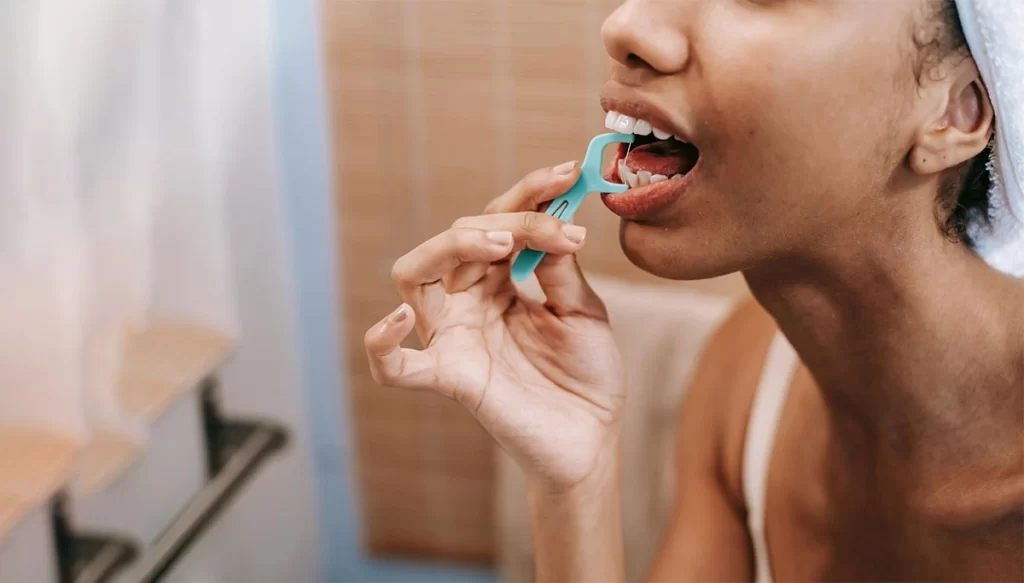
Many patients worry they’ll damage their crown by flossing. Fortunately, a properly placed dental crown is designed to withstand normal daily flossing. The key is using the right technique.
Instead of snapping the floss back and forth between your teeth, gently guide it below the gumline. Wrap it into a C-shape against the side of the tooth and move it up and down to remove plaque. When you’re finished, slide the floss out through the side rather than pulling it straight back up if your dentist has recommended that technique for your specific restoration.
Daily flossing helps clean the tiny spaces your toothbrush simply can’t reach. That’s especially important around the crown margin, where bacteria often begin to accumulate. If traditional floss feels difficult to use, floss picks, floss threaders, or other dentist-recommended tools may make the process easier.
Water flossers have become increasingly popular, and for good reason.
These use a concentrated stream of water to flush food particles and plaque from between teeth and along the gumline. While they shouldn’t always replace traditional flossing, they can be a great addition to your routine, particularly if you have multiple crowns, bridges, orthodontic appliances, or reduced hand dexterity.
Many patients also find that using a water flosser encourages healthier gums by gently cleaning areas that are difficult to reach with a toothbrush alone.

Your daily diet plays a bigger role in protecting your dental crown than many people realize. The bacteria responsible for tooth decay problems will feed on sugars and simple carbohydrates. As they digest these foods, they produce acids that weaken tooth enamel and increase your risk of cavities around the edges of your crown.
That doesn’t mean you have to eliminate your favorite treats completely. Instead, focus on limiting how often sugary snacks and drinks are consumed throughout the day.
Some simple habits that make a difference include:
Healthy gums help protect the foundation of every dental crown. When your gums become inflamed or begin to recede, more of the natural tooth underneath the crown may become exposed. This creates additional areas where bacteria can settle and increases the risk of decay.
Daily brushing and flossing are always the best ways to keep your gums healthy, but regular professional cleanings also play an important role. If you notice bleeding while brushing, persistent bad breath, swollen gums, or tenderness around your crown, don’t ignore those symptoms. Early treatment is almost always simpler than waiting until the problem becomes more advanced.
Even a well-made dental crown can develop problems over time. These symptoms don’t always mean decay is present, but they do deserve an evaluation. Catching problems early often allows us to address them before they become larger or more expensive to treat.
Contact our office if you notice:
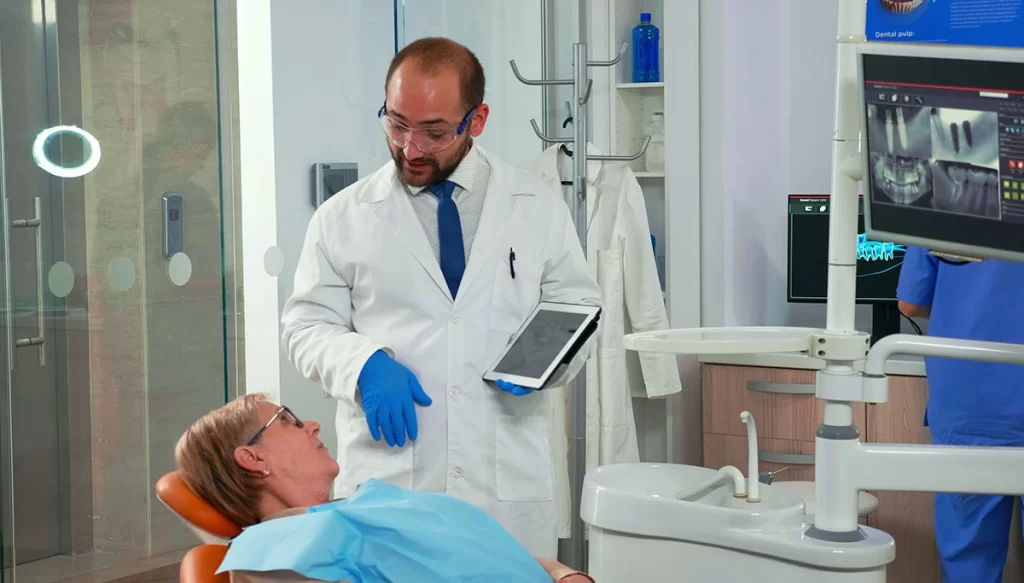
No matter how thorough your home care routine is, professional exams remain essential. During your regular visits, we’ll examine your dental crown, evaluate how well it’s fitting, check for signs of wear, and look for any early evidence of decay around the margins. Digital X-rays also allow us to evaluate areas beneath the crown that aren’t visible during a routine exam.
Professional cleanings remove hardened plaque that simply can’t be removed with brushing and flossing at home. Routine preventive care helps us identify small concerns before they become major dental problems.
Brushing carefully, flossing every day, eating a balanced diet, and keeping up with your dental visits all work together to reduce your risk of decay beneath your dental crown. These simple habits only take a few minutes each day, but they can help your restoration last for many years.
If you have questions about caring for your dental crown or think it’s time for an evaluation, our team at Eriks Dental Group South is here to help. Whether you already have a crown or are considering treatment, we’ll help you protect your smile with personalized care and practical guidance every step of the way. Request your appointment today, or give us a call at (954) 463-5051.
© 2026 Eriks Dental Group - Fort Lauderdale - All Rights Reserved. Dental Website Design by Connectica